
Chasing Ghosts: An Irregular Warfare Podcast Continues to Make Way With a Bone in Her Teeth
Intrepid Sea, Air & Space Museum New York City, New York, USA “Knowledge comes, but wisdom lingers. It may not be difficult to store

ZG is Going Dark (and Remains So)
“Build a man a fire, and he’ll be warm for a day. Set a man on fire, and he’ll be warm for the rest

Guest Post: The Tyranny of Medical Inventions by Wyotona
Publisher’s Note:During the 20th century, all GOP presidents were progressives with the exception of the fluke of Calvin Coolidge getting in office. From 1952

Village Praxis: Driving Pistol and Rifle Red Dot Optics by Bill Buppert
“Of all tyrannies, a tyranny sincerely exercised for the good of its victims may be the most oppressive. It would be better to live under

Winter is Here by Bill Buppert
Publisher’s Note: Abbey provides a gentle reminder. Want to defeat the government supremacists that have rekindled communism as an idea? You must unharness, unlimber and

Village Praxis: Drive the Right Rifle: The M1 Garand by Bill Buppert
“Turkey is taking advantage of the war in order to thoroughly liquidate (grundlich aufzaumen) its internal foes, i.e., the indigenous Christians, without being

Village Praxis: Drive the Right Rifle (AR/MSR): Upgrades Less Optics by Bill Buppert
“Something hit me very hard once, thinking about what one little man could do. Think of the Queen Elizabeth — the whole ship goes

Ten Questions for Peter Quinones by Bill Buppert
Publisher’s Note: Another selection season for the national plantation owner is in full swing and I wanted to offer a gentle reminder that the Grand Old

Seismic Circus: Killer Clowns in Killer Cults by Bill Buppert
Publisher’s Note: Here’s an excellent dissection of the “woke” philosophy that is currently the new guise for Marxism and government supremacism. Just finished Shattered Sword

Worst Best Time: Whistling Past the Graveyard by Bill Buppert
Publisher’s Note: Please take the time to go here and download every one of these publications before they are removed from general distribution. [h/t

A Nation at War by USarmyretiredsgm
“Anthony Howard, then editor of the left-wing New Statesman, once pointed out that if Huey Long had only used left-wing phraseology he would have enjoyed

The Unbearable Whiteness of Being by Bill Buppert
Publisher’s Note: Close the schools, every one of them. There is an opportunity here as some of the laziest people in human history, teachers

Police Academy: The Totalitarian Trail of Tears by Bill Buppert
“The fall of moral civilization has always been brought about by those who were “just doing their jobs”.” ― Jeremy Grantham Publisher’s Note: Welcome to

The Unmasking by Bill Buppert
“You never change things by fighting the existing reality. To change something, build a new model that makes the existing model obsolete.” ― Buckminster
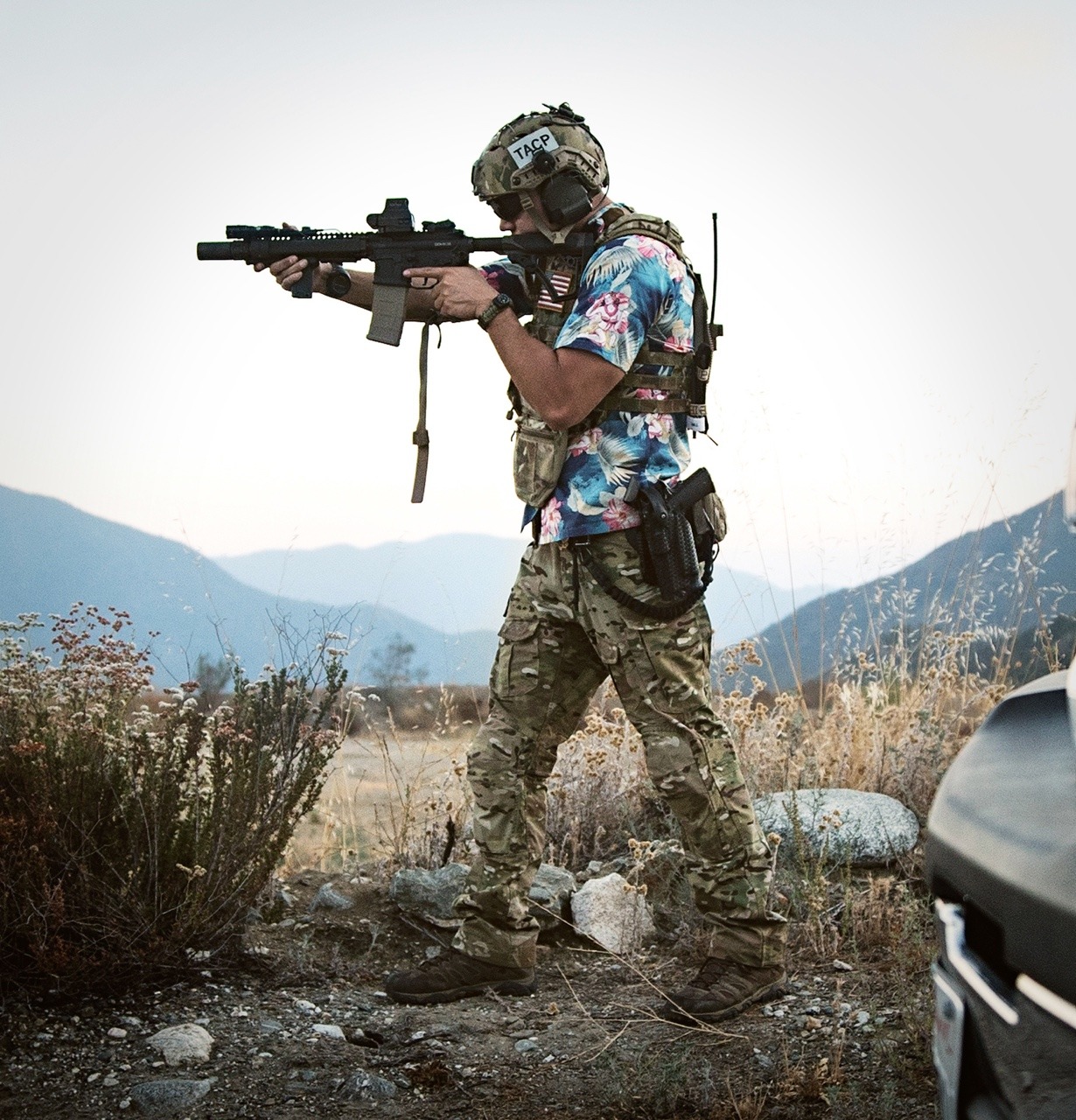
Village Praxis: Quarantine Dryfire and Other COVID19 Ramblings by John Meyers
“Prepare for war, since you have been unable to endure a peace.” – Publius Cornelius Scipio Africanus Major Publisher’s Note: I was a middling saber

The Peking Pox and the End of America by Bill Buppert
“In any bureaucracy, the people devoted to the benefit of the bureaucracy itself always get in control, and those dedicated to the

Lysenko Lives! The Corona Cargo Cult by Bill Buppert
Publisher’s Note: The Peter Principle informs all government action, prove me wrong. What you are witnessing live before your very eyes is a culmination
The Royal Scam: Disease, Debt, Deficits and the Circus of Lies by Bill Buppert
Publisher’s Note: I just completed a two-day pistol & carbine course with Bob Keller at Gamut Resolutions, he is the real deal. Honest and
Recent Comments